| Columbia County Tourism .com |
Wild Pheasants |
|
|
Wild Pheasant Populations -- Down But Not Out |
|
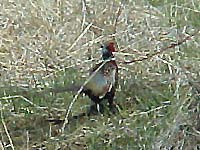
Wild pheasant populations in Wisconsin have declined steadily since the 1950's due primarily to conversion of wetland and grassland habitat to cropland. Loss of these habitats to urban sprawl, industry, and highways has also added to the pheasants problems. Cropping patterns have changed (fewer small grains, more row crops), farm field sizes have increased considerably, earlier maturing alfalfa strains have been developed, and increased pesticide use are additional factors contributing to the decline in pheasant numbers. |
|
|
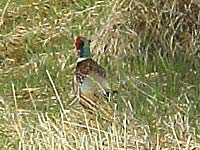
Even in the best traditional pheasant range, land use changes have caused a breakup of the landscape and pheasant numbers are just a fraction of what they used to be. |
![]() |
However, changes in the Federal Farm Bill and a resurgence of private organizations interested in improving habitat for pheasants and other grassland species offer Wisconsin pheasants new hope. A good deal of new habitat has been established through the Conservation Reserve Program (CRP), Water Bank, and wetland restoration projects. |
|
Conservation clubs throughout the state as well as organizations like Pheasants Forever, Wings Over Wisconsin, and Ducks Unlimited are raising money for and actively participating in habitat restoration and improvement projects. This renewed land ethic has led to positive changes in land use over the past 15 years and, in some areas of the state, pheasant numbers are increasing for the first time in many years. Some regional populations are now approaching 30 nesting hens per square mile as a result. Recent efforts toward improving habitat give new hope for increasing wild pheasant numbers in Wisconsin once again. |
|
Columbia County Tourism Committee affiliation. |
Participate with ColumbiaCountyTourism.com |
Copyright 2004 - Part of the Valuworld.com Network of Websites